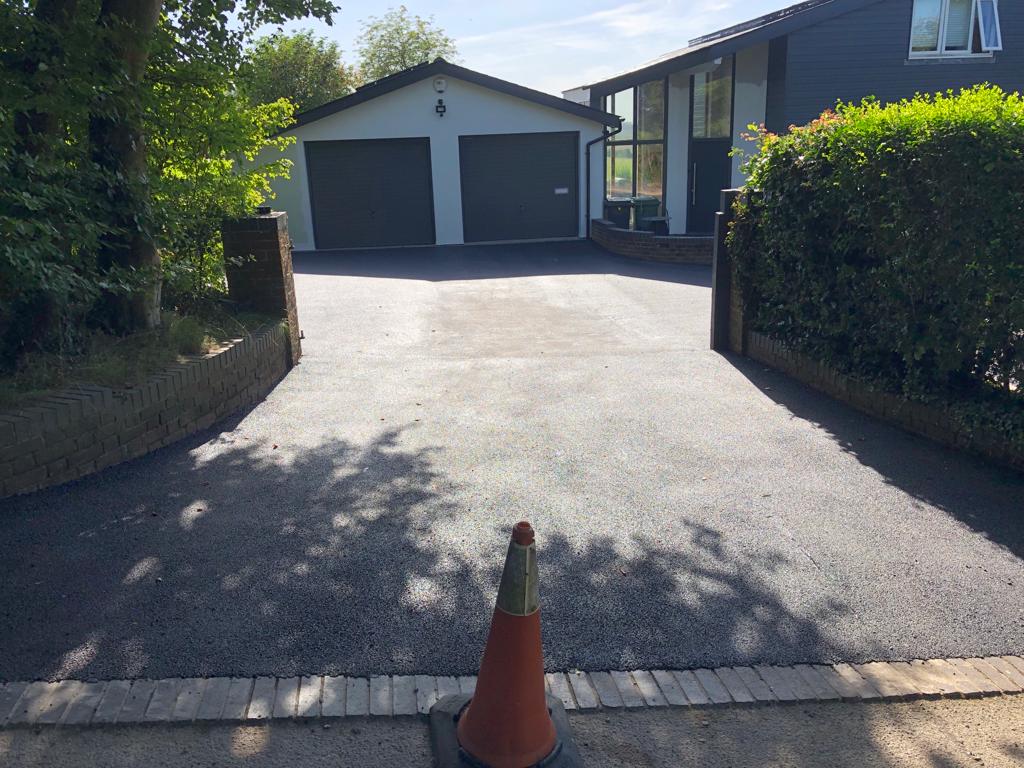
Damaged asphalt can affect much more than the appearance of a driveway, access road, car park or commercial yard. Potholes, depressions, broken edges and uneven sections can change the way vehicles move across a property, creating uncomfortable access and placing unnecessary strain on tyres, wheels and suspension components.
For property owners and businesses in Gatton, QLD, maintaining a smooth asphalt surface is therefore an important part of keeping vehicle access practical and dependable. At Gatton Surfacing Solutions, we assess asphalt and bitumen surfaces to identify deterioration and determine whether repairs or resurfacing can restore a more consistent driving surface.
How Does Asphalt Deterioration Affect Vehicle Movement?
A sound asphalt surface provides predictable contact between tyres and the pavement. When deterioration develops, drivers may need to brake, steer around defects or travel across sudden changes in surface level.
Common pavement problems that can affect vehicles include:
- Potholes
- Deep cracks
- Rutting
- Sunken sections
- Loose or broken asphalt
- Uneven transitions
- Damaged pavement edges
The severity of the effect depends on the condition of the surface, vehicle speed and the type of vehicle using the property.
Potholes Can Create Sudden Impacts
Potholes are one of the most obvious pavement defects because they create an abrupt drop in the driving surface.
When a tyre enters a pothole, the wheel and suspension have to absorb the sudden impact. Larger or deeper potholes can be particularly disruptive, especially when drivers do not have sufficient space to avoid them safely.
Repeated Exposure Matters
A single minor surface defect may cause little more than an uncomfortable movement. However, vehicles regularly using the same damaged accessway can be exposed to repeated impacts.
This is particularly relevant for:
- Frequently used residential driveways
- Commercial entrances
- Staff and customer parking areas
- Loading and operational areas
- Private access roads
Maintaining these surfaces provides a more consistent route for vehicles entering, leaving and moving around the property.
Rutting Can Affect Steering and Manoeuvring
Rutting occurs when depressions develop along regular wheel paths. It may result from pavement deformation, inadequate support underneath the asphalt or repeated vehicle loading.
Deep ruts can influence the path tyres naturally follow, making steering and manoeuvring less predictable.
Ruts may also collect water after rainfall, further reducing the quality of the driving surface and potentially accelerating pavement deterioration.
Loose Asphalt and Aggregate Can Reduce Surface Quality
As asphalt ages or begins breaking down, loose aggregate and small pieces of pavement may appear across the surface.
This can create:
- A rougher driving experience
- Less consistent tyre contact
- Loose material around parking areas
- Progressive deterioration of the pavement
When aggregate loss becomes widespread, it can indicate that the surface is no longer performing as effectively as it once did.
Uneven Areas Can Be Difficult for Low-Clearance Vehicles
Not every vehicle interacts with damaged pavement in the same way. Vehicles with lower ground clearance can be more affected by severe changes in surface level, raised edges or pronounced depressions.
A smoother asphalt surface helps provide more predictable access for a wider range of vehicles without drivers having to carefully navigate around deteriorated areas.
Surface Damage Can Make Parking More Difficult
Damaged asphalt can also affect vehicles when they are travelling slowly or parking.
Potholes, depressions and uneven sections may make it harder to:
- Reverse smoothly
- Position vehicles accurately
- Turn within confined spaces
- Enter garages or parking bays
- Move between different areas of a commercial property
For properties in Gatton, QLD, restoring deteriorated parking and access surfaces can therefore improve everyday usability as well as appearance.
Water Can Make Existing Damage Worse
Water is an important factor in asphalt deterioration. Cracks and potholes allow moisture to reach the pavement layers underneath, where it can contribute to loss of support.
Standing water can also conceal potholes and depressions, making their depth difficult for drivers to judge.
Effective pavement maintenance should therefore consider both the visible damage and the drainage conditions around it.
Why Do Potholes and Depressions Keep Returning?
When a repaired area repeatedly deteriorates, the problem may extend beneath the asphalt surface.
Possible underlying causes include:
- Weak base material
- Poor drainage
- Water infiltration
- Pavement settlement
- Insufficient support for regular traffic
In these circumstances, repeatedly repairing only the visible defect may not provide a lasting result.
A professional assessment can help determine whether the pavement requires a localised repair, correction of an underlying issue or more comprehensive resurfacing.
Damaged Edges Can Affect Access
Pavement edges are particularly vulnerable where vehicles regularly travel close to the boundary of an asphalt surface.
Once edges begin cracking or breaking away, the usable width of the pavement can gradually decrease. Drivers may then move closer to the centre of the accessway or encounter uneven transitions between the asphalt and surrounding ground.
Addressing edge deterioration early can help preserve a more consistent and usable driving area.
When Should Asphalt Damage Be Assessed?
Not every small crack means that resurfacing is immediately required. However, certain changes are worth investigating before they become more extensive.
Arrange an assessment if you notice:
- Potholes increasing in size
- Several damaged areas developing together
- Deep wheel-path rutting
- Sections of pavement sinking
- Widespread cracking
- Loose or crumbling asphalt
- Water repeatedly pooling in damaged areas
The overall condition of the pavement should determine the appropriate response.
Repairing Damage Before It Spreads
Early repairs can help preserve surrounding asphalt where deterioration remains localised. Once water and traffic begin breaking down the edges of a damaged area, the affected section can gradually expand.
Timely intervention may help protect pavement that is still in serviceable condition and maintain smoother vehicle access across the property.
How Professional Resurfacing Can Improve Access
Where an asphalt surface has become generally worn or uneven but the supporting pavement remains suitable, resurfacing can provide a new, consistent driving layer.
Professional resurfacing involves assessing the existing pavement first rather than simply covering visible defects. Drainage issues, unstable areas and significant structural damage may need attention before the new surface is installed.
At Gatton Surfacing Solutions, we assess asphalt and bitumen surfaces in Gatton, QLD, with consideration for how the property is used, the condition of the existing pavement and the factors contributing to deterioration. This allows us to recommend work that is appropriate to the actual condition of the site.
Conclusion
Damaged asphalt can affect vehicles using a property by creating pothole impacts, uneven driving conditions, rutting and more difficult manoeuvring. These issues can become particularly noticeable on surfaces used repeatedly by residents, customers, staff, delivery vehicles or operational traffic.
Maintaining the pavement also helps prevent minor deterioration from spreading into larger areas. The key is to identify whether damage is limited to the surface or connected to deeper issues such as drainage or base instability.
For property owners and businesses in Gatton, QLD, Gatton Surfacing Solutions provides professional asphalt and bitumen resurfacing services focused on restoring smooth, dependable access. If your pavement has become uneven, potholed or difficult for vehicles to use, contact our team to arrange an assessment and discuss the most appropriate solution for the surface.
Call us on: 07 4517 4097
Click here to find out more about Gatton Surfacing Solutions
Click here to complete our contact form and see how we can help with your driveway needs.