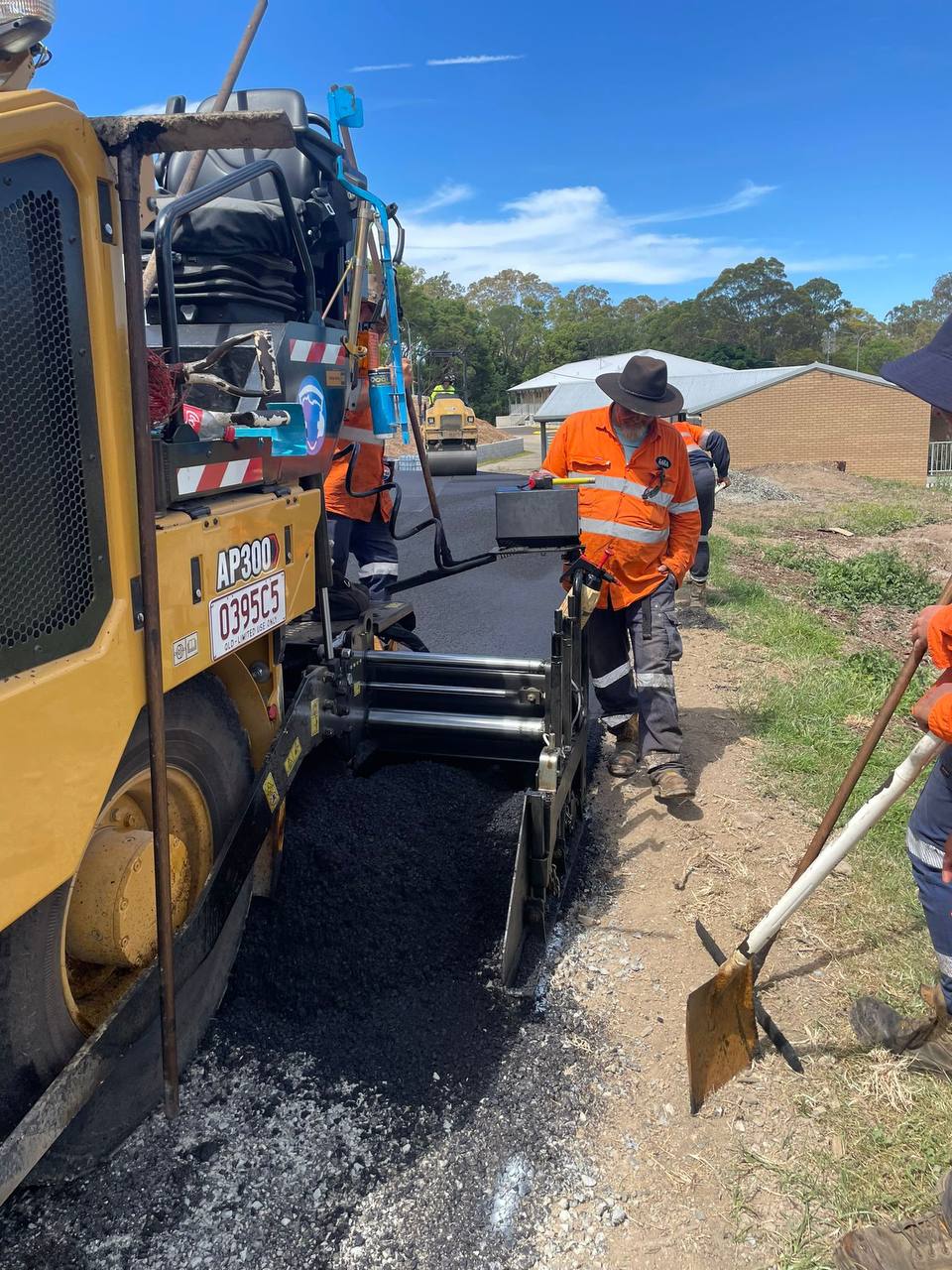
A vehicle surface can gradually lose some of the qualities that made it comfortable and dependable when first constructed. Regular traffic, weather exposure and general surface wear can affect texture, loosen aggregate and create an increasingly inconsistent driving surface. When the underlying pavement remains suitable, Spray and Seal can provide a practical way to renew the wearing surface while restoring useful surface texture.
For property owners and businesses in Gatton, QLD, the condition of vehicle areas should be considered before deterioration progresses further. At Gatton Surfacing Solutions, we provide professional Spray and Seal bitumen, asphalt and resurfacing services designed around the condition and intended use of each pavement.
Why Does Surface Texture Matter for Vehicle Grip?
Vehicle tyres rely on contact with the pavement to provide traction during normal driving, braking and turning.
A well-constructed vehicle surface therefore needs more than structural strength. It also needs an appropriate texture at the point where tyres meet the pavement.
Over time, an ageing surface can become smoother, polished or inconsistent. Loose material and deteriorated sections may also affect the quality of tyre-to-surface contact.
Restoring a suitable wearing surface helps create more consistent conditions for everyday vehicle movements.
How Does Spray and Seal Create a Textured Surface?
Spray and Seal combines bitumen binder with selected aggregate.
The process generally involves applying bitumen over a properly prepared pavement before spreading aggregate across the binder. Rolling then helps embed the stone into the bitumen to create the finished wearing surface.
The two materials perform different functions:
- Bitumen binds and seals the surface.
- Aggregate provides the exposed textured layer.
- Rolling helps secure the aggregate into the binder.
- Correct preparation provides stable support underneath.
The resulting surface has a distinctly textured finish rather than relying on a smooth layer alone.
Aggregate Plays a Major Role in Grip
The aggregate is the part of a Spray and Seal surface that comes into direct contact with vehicle tyres.
Its texture helps create the friction required for normal vehicle movement. This is particularly relevant where vehicles are regularly braking, turning, accelerating or manoeuvring.
Appropriate aggregate selection is therefore important. The material needs to suit the application and be applied correctly so that it forms a consistent wearing surface.
Simply spreading loose stone over a deteriorated pavement will not achieve the same result as professionally constructed Spray and Seal.
Why Can Older Vehicle Surfaces Lose Texture?
Vehicle surfaces experience continual wear.
Every vehicle movement places some stress on the pavement. Turning and braking can be particularly demanding because tyres apply forces across the surface rather than simply rolling over it.
As a pavement ages, signs of surface deterioration can include:
- Smoother or polished sections
- Loose aggregate
- General weathering
- Fine cracking
- Uneven texture
- Localised deterioration
- Previous repairs creating inconsistent sections
When these conditions become widespread, assessing the overall pavement can help determine whether resurfacing is appropriate.
Spray and Seal Can Renew the Wearing Layer
One of the main advantages of Spray and Seal for a suitable worn pavement is that it creates a renewed wearing surface.
Rather than leaving vehicle tyres in direct contact with an ageing and increasingly inconsistent surface, a professionally applied seal provides a new layer of aggregate embedded within bitumen.
This can improve surface consistency while giving the pavement renewed protection against everyday traffic and weather exposure.
Better Texture Supports Braking and Turning
Vehicle surfaces often experience their greatest stresses where drivers change direction or speed.
Examples include entrances, parking areas, turning points and sections where vehicles regularly brake.
A consistent textured surface supports predictable tyre contact during these movements. The aggregate within Spray and Seal contributes to this texture and provides a durable surface for everyday traffic.
However, good grip depends on the quality of the complete installation. Correct aggregate application and embedment are essential to achieving a consistent result.
What Happens When Aggregate Is Not Properly Embedded?
The effectiveness of Spray and Seal depends on achieving the correct relationship between bitumen and aggregate.
If the stone is not properly embedded, loose aggregate may remain on the surface. If application is unsuitable in other ways, the intended surface texture and durability can also be affected.
Professional installation requires careful control over:
- Surface preparation
- Bitumen application
- Aggregate distribution
- Rolling
- Final surface consistency
These stages work together to create the finished wearing surface.
Preparation Comes Before Improved Grip
Spray and Seal should not simply be applied over significant existing damage.
A worn pavement may contain potholes, unstable sections, depressions or other defects that need attention before resurfacing. Covering these problems without addressing them can allow deterioration to continue underneath the new treatment.
Before Spray and Seal is applied, the existing pavement should be assessed for:
- Structural stability
- Surface defects
- Cracking
- Drainage problems
- Uneven sections
- Weak pavement edges
Correct preparation provides a stronger foundation for the renewed wearing surface.
Drainage Is Still Important
Improving surface texture does not remove the need for effective drainage.
Water that continually pools on a vehicle surface can contribute to pavement deterioration, particularly if it enters cracks or damaged edges and reaches the supporting layers.
Proper grading should encourage rainfall to move away from trafficable sections instead of collecting in low areas.
By combining an appropriate surface treatment with effective drainage, the entire pavement has a better opportunity to perform reliably.
Spray and Seal Also Helps Protect the Pavement
Improved surface texture is only one potential benefit of Spray and Seal.
The bitumen binder creates a sealed layer that helps limit moisture penetration into the underlying pavement. Protecting the pavement from unnecessary water infiltration can help reduce one of the factors associated with progressive deterioration.
This combination of sealing and surface texture is an important reason Spray and Seal is considered for suitable worn vehicle areas.
Is Every Worn Surface Suitable for Spray and Seal?
No. The condition beneath the visible surface needs to be considered first.
Spray and Seal can be appropriate where an existing pavement remains structurally suitable but requires a renewed wearing surface. It should not be viewed as a way of hiding serious structural deterioration.
A pavement may require additional repair or preparation where there is:
- Significant settlement
- Severe rutting
- Widespread pothole damage
- Extensive pavement movement
- Major base deterioration
- Persistent drainage-related failure
Addressing these underlying problems first helps prevent them from affecting the renewed surface.
Why Professional Assessment Matters
Two worn vehicle surfaces can look similar while requiring very different treatments.
One may have general surface wear over a stable foundation, making resurfacing a practical consideration. Another may have deterioration caused by weaknesses deeper within the pavement.
At Gatton Surfacing Solutions, we assess surfaces throughout Gatton, QLD with attention to pavement condition, drainage, traffic demands and the extent of existing deterioration. This allows us to recommend Spray and Seal, asphalt or other appropriate surfacing work based on what the site actually requires.
Maintaining the Renewed Surface
Once a vehicle surface has been renewed, routine observation can help protect its condition.
Property owners should watch for developing cracks, loose material, damaged edges, localised wear and areas where water collects. Addressing these concerns early can help prevent minor defects from spreading into larger sections of the pavement.
A proactive approach to maintenance supports both the surface texture and the structural condition beneath it.
Conclusion
Spray and Seal can improve grip on a suitable worn vehicle surface by creating a renewed, textured wearing layer. Aggregate embedded into the bitumen provides the surface texture that interacts with vehicle tyres, while the bitumen helps bind the aggregate and seal the pavement beneath. When correctly prepared and professionally installed, the result can provide more consistent conditions for everyday driving, braking and turning while also protecting the existing pavement.
The condition of the underlying surface remains critical. Spray and Seal performs best when structural defects, drainage problems and damaged sections are identified and addressed before the new treatment is applied.
For property owners and businesses in Gatton, QLD, Gatton Surfacing Solutions provides professional Spray and Seal bitumen, asphalt and resurfacing services tailored to individual pavement requirements. If your existing vehicle surface has become worn or inconsistent, our experienced team can assess its condition and recommend an appropriate solution for restoring dependable long-term performance.
Call us on: 07 4517 4097
Click here to find out more about Gatton Surfacing Solutions
Click here to complete our contact form and see how we can help with your driveway needs.