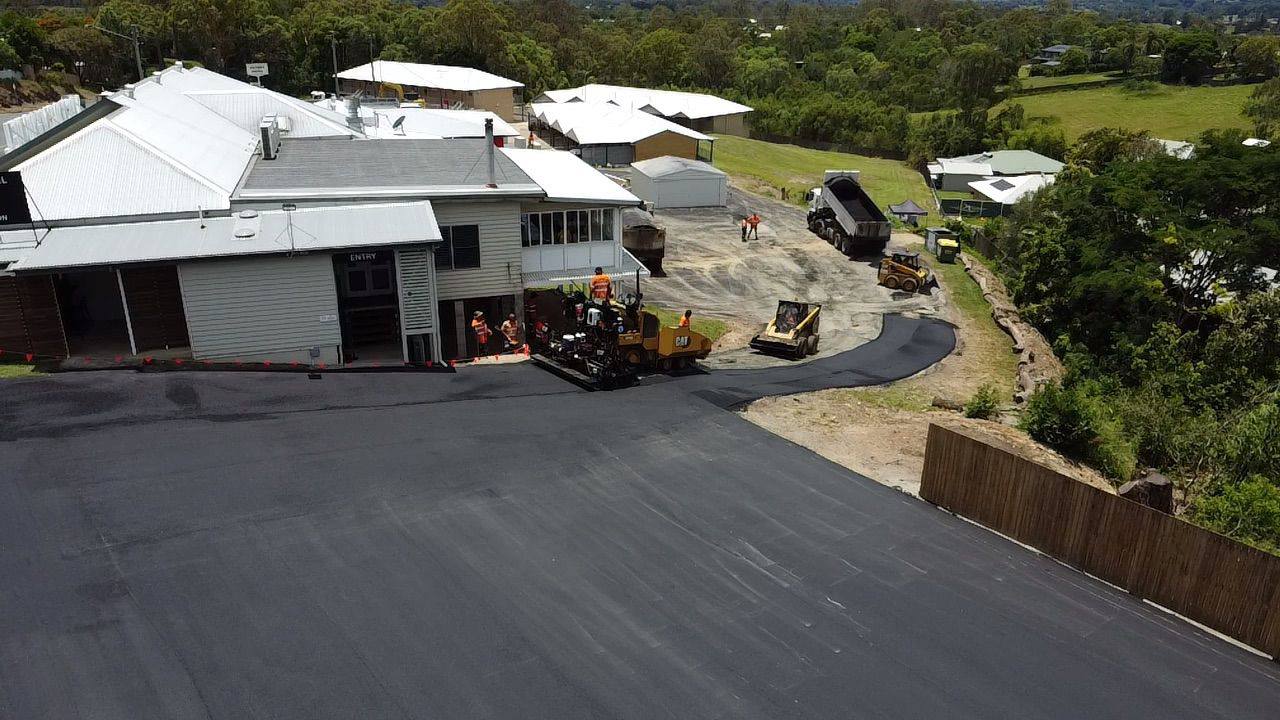
A durable road surface depends on much more than the material visible at the top. Proper site preparation, ground stability, drainage, compaction and careful installation of each structural layer all contribute to how well a road performs over time.
For properties and projects in Gatton, QLD, understanding the main stages of road construction can help explain why professional preparation is essential. A well-planned construction process helps create a stable surface capable of handling regular vehicle use and changing conditions.
Key Stages of Road Construction
Road construction involves several connected stages, with each one contributing to the strength and performance of the finished surface. Although the exact approach varies according to the site and intended use, the following stages form an important part of a successful project.
Site Assessment and Preparation
Before construction begins, the proposed area needs to be assessed. Existing ground conditions, levels, drainage requirements and the intended use of the road all influence the construction method.
The site is then cleared of unsuitable material, vegetation and debris. Any weak or unstable sections of ground should be identified and addressed before the road structure is built.
Good preparation provides a more reliable foundation and helps reduce the risk of settlement or uneven surfaces developing later.
Establishing Levels and Drainage
Correct levels are important for both the structural design and drainage of a road. The surface needs to be shaped so that water can move away efficiently rather than remaining on or beneath the road.
Drainage should be considered from the beginning of the project. Poor water management can weaken supporting materials and contribute to potholes, cracking and other forms of deterioration.
Preparing and Compacting the Formation
Once the site has been shaped, the underlying formation is prepared and compacted. Compaction helps create a firm platform for the layers that will be installed above it.
Areas that remain soft or inadequately compacted can move under traffic, potentially affecting the road surface. Careful preparation at this stage is therefore essential to long-term performance.
Installing the Sub-Base
The sub-base provides much of the structural support beneath the final surface. Appropriate aggregate is placed over the prepared formation and compacted to create a stable layer.
The required depth and material depend on factors such as ground conditions and the type and amount of traffic the road is expected to carry.
A properly constructed sub-base helps distribute vehicle loads and reduces excessive stress on the underlying ground.
Installing the Base Layer
Depending on the road construction method, a further base layer may be installed above the sub-base. This creates additional structural strength and provides a suitable platform for the final surfacing material.
Correct grading, moisture control and compaction are important to ensure the layer performs consistently across the road.
Applying the Final Surface
Once the underlying structure has been properly prepared, the final road surface can be installed. The chosen surfacing material should be suitable for the road’s intended use and site conditions.
Careful installation is important for achieving an even, stable and functional surface. Particular attention should also be given to edges, joints, transitions and connections with existing surfaces.
Final Inspection and Finishing
The completed road should be checked for surface consistency, drainage, levels and any visible defects. Surrounding areas and connections should also be finished appropriately.
These final checks help confirm that the road has been constructed as intended and that potential problems are identified before the surface enters regular use.
Why Each Stage Matters
Road construction works as a complete system. A high-quality surface cannot fully compensate for poor ground preparation, inadequate compaction or ineffective drainage beneath it.
By giving proper attention to each stage, contractors can create a stronger foundation and reduce the likelihood of premature deterioration. This is particularly important for roads expected to experience frequent or heavier vehicle movements.
Road Construction in Gatton, QLD
For a road to remain functional and durable, its construction needs to begin beneath the visible surface. From site preparation and drainage to sub-base installation, compaction and final surfacing, every stage has an important role.
Gatton Surfacing Solutions provides professional road construction services in Gatton, QLD, with attention to the preparation and structural requirements of each project. If you are planning a new road or require professional assistance with a road construction project, contact Gatton Surfacing Solutions to discuss your requirements.
Conclusion
A durable road surface is the result of careful planning and consistent workmanship throughout the construction process. Preparing the ground correctly, providing effective drainage, compacting structural layers and installing the final surface properly all contribute to long-term performance.
For road construction projects in Gatton, QLD, choosing an appropriate construction approach and paying attention to every stage can help create a dependable surface designed for its intended use. If you are considering road construction, contact Gatton Surfacing Solutions to arrange a professional discussion about your project.
Call us on: 07 4517 4097
Click here to find out more about Gatton Surfacing Solutions
Click here to complete our contact form and see how we can help with your driveway needs.